
"Burundi coffee industry"
400 article(s) found

Rich fragrant coffee with a soft taste Burundi
Fragrant and mild coffee from war-torn areas, Burundi has the most diverse and successful coffee industry in the world, and has its own characteristics. Coffee in this country was introduced by Belgian colonists in 1930 and is now grown only on small farms. Unfortunately, many of these farms are located on the border with war-torn Rwanda, which

Boutique coffee beans from Burundian Buwa clothing processing Plant (Burundi Bwayi)
Burundian Buwa clothing processing plant Burundi caffeine economy and coffee industry development and other factors are extremely precious in the market. In recent years, Stumptown's Direct Trade project allows buyers to buy coffee beans directly from the processing plant, and the Bois clothes washing treatment plant is also one of the objects of this pilot project, which includes the design of giving away coffee farmers' bicycles and bicycles with high loads.

Burundi Aromatic coffee beans from war-torn areas
Burundi has one of the most diverse and successful coffee industries in the world, and it has its own characteristics. Coffee was introduced to the country by Belgian colonists in 1930 and is now grown only on small farms. Unfortunately, many of these farms are located on the border with war-torn Rwanda, which

Description of the characteristics and flavor of Burundian coffee. Introduction to the taste of the variety.
Burundian coffee belongs to which region characteristics and flavor description varieties taste introduction Burundian (Burundi) coffee was introduced by Belgian colonists in 1930. Unfortunately, many of these farms are on the border with war-torn Rwanda, putting pressure on coffee production. Coffee origin in Burundi: Burundian coffee is now available only in Burundi.

How can I have the best Burundian coffee? Suggestion on hand-brewing parameters of Burundian Coffee V60
Professional coffee knowledge exchange more coffee bean information please follow the coffee workshop (Wechat official account cafe_style) if we tell you that the cup of coffee in your hand is from Burundi. This country in the Rift Valley, which you may not have heard of, is experiencing chaos and conflict, lack of resources, large population, backward national infrastructure and vicious economic development.

Flavor and taste characteristics of washed coffee beans in Kafum treatment Plant of Tuanhuang Cooperative in Kayanza Province, Burundi
Professional coffee knowledge exchange more coffee bean information please follow Coffee Workshop (Wechat official account cafe_style) Product name: Kafm treatment Plant of Tuanhuang Cooperative, Kayanza Province, Burundi, washing # 3 (Burundi Kayanza Twaranyuzwe Cooperative Kavumu CWS Bourbon Washed # 3) Flavor description: pink grapefruit, sugared kumquat, lemon-like acid

History and Culture of Origin and Development of Bourbon Fine Coffee beans in Burundikayanza Province, Burundi
Burundi has the most diverse and successful coffee industry in the world, and has its own characteristics. Coffee in this country was introduced by Belgian colonists in 1930 and is now grown only on small farms. Unfortunately, many of these farms are on the border with war-torn Rwanda, putting pressure on coffee production. Coffee produced in Burundi.

Burundi coffee is grown in war-torn areas but has a strong aroma and mild taste.
Professional coffee knowledge exchange more coffee bean information, please pay attention to coffee workshop (Weixin Official Accounts cafe_style) Burundi coffee from war-torn areas with strong aroma and soft taste. Burundi has one of the most diverse and successful coffee industries in the world, and it has its own characteristics. Coffee was introduced to the country by Belgian colonists in 1930 and is now only available in

Deep-roasted coffee beans suitable for espresso Cameroon Burundi National Coffee Supervision Agency
Burundian coffee with strong fragrance and soft taste from war-torn areas. Burundi has the most diverse and successful coffee industry in the world, and has its own characteristics. Coffee in this country was introduced by Belgian colonists in 1930 and is now grown only on small farms. Unfortunately, many of these farms are on the border with war-torn Rwanda.
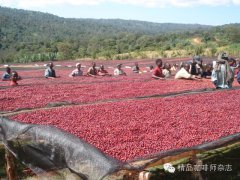
Single boutique boutique Burundian Burundi Brundi Champion processing Factory Kayanza province boutique coffee
Coffee is Ethiopia's main economic crop and the country's largest crop export and important industry. It accounts for 60% of Ethiopia's total export value and supports many small farms, as well as sugar, bananas and cotton. It is also Ethiopia's largest and important commodity export crop after oil, and it is also the largest export of Elaraby in Africa, in 1997.

Excellent acidity Burundian Coffee Grinding characteristics Variety Flavor description Manor
Coffee production in Burundi: Burundian coffee is now grown only on small farms. Almost all coffee produced in Burundi is Arabian coffee beans, while coffee trees in Ngozi are planted at an altitude of more than 1200 meters. Characteristics of Burundi Coffee: Burundi (Burundian) has the most diverse and successful coffee industry in the world, and has its own characteristics.

Spicy aftertaste of Burundi coffee flavor Introduction Jackson Bourbon variety
Burundi coffee has been in a state of chaos for a long time, with a large number of old and new green beans mixed together, making this coffee unsuitable for grading. The coffee is coarse but mild and has characteristics similar to Kenya coffee. Sweet, fruity flavor with a spicy finish. Dry aroma (1-5): Not applicable Wet aroma (1-5): Not applicable Acid

Introduction to the flavor and taste of Burundian boutique coffee beans in the manor producing area
Plus the very rare aboriginal Twa. This abnormal social structure occupied by ethnic minorities planted the evil seed of national instability and reached its peak in October 1993. Just four months after taking office, Melchior Ndadaye, Burundi's first ever Hutu head of state and the first democratically elected president, was attacked.

Flavor and taste characteristics of Burundian coffee manor introduction of high-quality coffee beans
There are many plateaus and mountains in Burundi, most of which are made up of the plateau on the east side of the East African Rift Valley. The national average elevation is 1600 meters, which is known as the mountain country. According to the topography of Burundi, it can be divided into three regions: the western plain, along the Ruzizi River, the Rift Albrtine plain, 774 to 1000 meters above sea level; and the central and western mountains, with an average elevation of 1700 meters, with the highest peak in Bujumbura.

Burundi Coffee Flavor Taste Hand Brewed Temperature Origin Description
Burundi Coffee Flavor Taste Hand Brewed Temperature Description of Origin Coffee in Burundi Origin: Burundi (Burundi) Coffee is now grown only on small farms. Coffee produced in Burundi is almost exclusively Arabica beans, while coffee trees in Ngozi are grown at more than 1200 meters above sea level. Burundi coffee features: Burundi (Burundi) has the world's most diverse,

Burundi Coffee Flavor Taste Hand Brewed Temperature Origin Tutorial
Burundi Coffee Flavor Taste Hand Brewed Temperature Tutorial Coffee in Burundi Origin: Burundi (Burundi) Coffee is now grown only on small farms. Coffee produced in Burundi is almost exclusively Arabica beans, while coffee trees in Ngozi are grown at more than 1200 meters above sea level. Burundi coffee features: Burundi (Burundi) has the world's most diverse, most managed

A brief introduction to the history and culture of the origin and development of fine Burundian coffee beans with mellow taste
Burundi coffee was introduced by Belgian colonists in 1930. Unfortunately, many of these farms are on the border with war-torn Rwanda, putting pressure on coffee production. Coffee production in Burundi: Burundian coffee is now grown only on small farms. Almost all the coffee produced in Burundi is Arabian coffee beans.
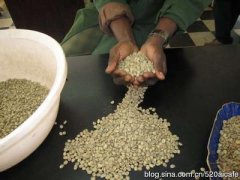
A brief introduction to the history and culture of the origin and development of fine Burundian coffee beans with excellent acidity
Burundi coffee was introduced by Belgian colonists in 1930. Unfortunately, many of these farms are on the border with war-torn Rwanda, putting pressure on coffee production. Coffee production in Burundi: Burundian coffee is now grown only on small farms. Almost all the coffee produced in Burundi is Arabian coffee beans.

Almond aroma of Burundi fine coffee beans varieties planted market price profile
This batch belongs to Bourbon seed micro batch [Champion Processing Plant in Burundi] Located at the peak of Maldadi, Panjia Processing Plant in Kabye District, Kayanza Province, with a very high altitude, even more than 2000 meters above the mountain, fertile soil, gravel soil, very suitable for coffee growth, recognized as the best coffee processing plant in Burundi. Bean Parameters: Country: Burundi Growth: 1750 km

Introduction of coffee flavor characteristics and double washing of coffee treatment in Burundi (Heart of Africa)
Burundi the Heart of Africa is located on top of the steep East African Rift Valley with complex terrain. More than 800000 of Burundian families depend on coffee cultivation for their livelihood, mostly on small-scale coffee plantations, planted at intervals from other crops, without mechanization. Coffee grows on mountains between 1400 and 1700 meters above sea level. Most of the varieties of coffee trees are bourbon and its varieties.